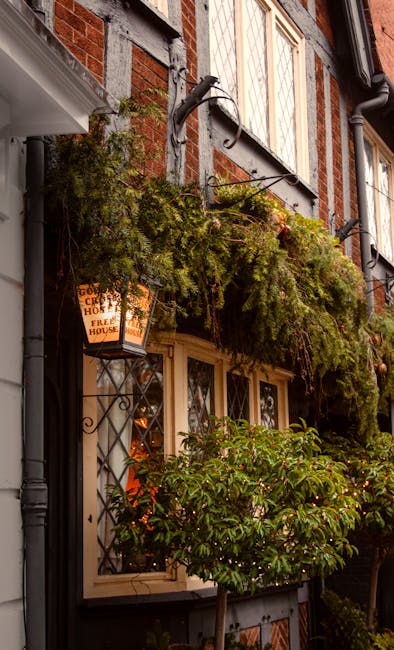
Norbury High Street front garden ideas from local gardeners
If you live near Norbury High Street, you already know the front garden has a slightly different job than the back one. It has to look welcoming from the pavement, cope with foot traffic, stay tidy through wet weeks, and still feel like your space. That is exactly why Norbury High Street front garden ideas from local gardeners tend to be practical first, pretty second, and often clever in ways that only come from real local experience.
In this guide, we will look at layouts, planting choices, privacy options, low-maintenance tricks, and the small details that make a front garden feel finished rather than fussed over. If you are starting from scratch, refreshing tired borders, or just trying to stop the place looking a bit lost after winter, you will find workable ideas here. And yes, you can keep it attractive without turning it into a full-time job.
Contents
- Why it matters
- How it works
- Key benefits
- Who it is for
- Step-by-step guidance
- Expert tips
- Common mistakes
- Tools and resources
- Law, compliance and best practice
- Options and comparison
- Real-world example
- Practical checklist
- Conclusion
- Frequently asked questions
Why Norbury High Street front garden ideas from local gardeners Matters
A front garden on or near a busy London high street is not the same as a tucked-away suburban border. It is visible, exposed, and judged in seconds. That sounds harsh, but it is true. A neat frontage can lift the whole look of a property, make the entrance easier to use, and create a calm buffer between house and road noise. A tired or overgrown one, by contrast, can make even a lovely home feel a bit neglected.
Local gardeners tend to think about more than colour. They look at the way people move from gate to door, where rainwater collects, how much shelter the site gets, and whether the planting will survive London's stop-start weather. On a street like Norbury High Street, that local reading of the space matters a great deal. You do not just want "nice". You want something that still looks good after wind, shade, winter slush, and the occasional accidental trampling from a delivery bag or muddy shoe.
There is also the question of practicality. Front gardens often need to balance looks with access, parking sightlines, and day-to-day maintenance. A local gardener will usually recommend structures and plants that keep their shape, handle pruning well, and do not shed endlessly across paving. It is the kind of thinking that saves time later. Truth be told, most people do not need more gardening work. They need less.
How Norbury High Street front garden ideas from local gardeners Works
Good front garden design usually starts with the site, not the shopping list. A local gardener will often begin by asking a few plain questions: how much sun does the area get, what kind of soil is under the surface, is the garden mostly decorative or partly functional, and what are you actually trying to fix? More privacy? Less weeding? Better kerb appeal? A softer entrance? The answer changes the plan.
From there, the space is usually broken into zones. There may be a path, a planting strip, a small lawn, a gravel bed, or a container cluster. Each zone has a purpose. For example, a narrow frontage might need height and structure without taking up floor space, which is where layered shrubs, evergreen edging, or vertical planting can help. A wider frontage may suit a more generous mix of hedging, low perennials, and a central feature pot.
Local gardeners also tend to plan for maintenance from day one. That means choosing plants that fit the owner's routine, not the other way around. If you only have ten minutes on a Sunday, then a front garden packed with thirsty annuals is probably not the answer. A more resilient mix, supported by tidy edging and regular care, will do a better job over the year. If you want the space to evolve without becoming a chore, consider pairing your layout with ongoing garden maintenance and seasonal tidying.
In practice, the best ideas are often the simplest. A clear line of sight to the front door. One strong structure plant. One or two softening textures. Good mulch. A clean path. That is often enough. Not flashy. Just effective.
Key Benefits and Practical Advantages
The most obvious benefit is visual appeal, but that is only the starting point. A front garden designed with local conditions in mind usually performs better, lasts longer, and costs less to keep in good shape. That combination is hard to beat.
- Improved kerb appeal: The house looks cared for, even before anyone opens the gate.
- Better weather tolerance: Plants and materials chosen for London conditions tend to cope better with rain, wind, and shade.
- Lower maintenance: Simple planting schemes and durable surfaces reduce weekly upkeep.
- More privacy: Thoughtful hedging and layered planting can soften views from the street without making the frontage feel closed off.
- Clearer access: A good design keeps the path, bins, steps, and doorway usable all year.
- Better value from small spaces: Even a compact frontage can feel designed rather than leftover.
There is a quieter benefit too. A well-kept front garden changes how you feel arriving home. You notice it in the morning when the light catches the leaves, or on a wet evening when the entrance still feels calm and intentional. Small thing, maybe. But it matters.
For people who want a low-cost uplift rather than a full rebuild, it can be smart to blend planting with simple hard landscaping. A tidy edge, a refreshed bed, or a clean paved approach can transform the whole look. If that sounds like your kind of project, you may also want to explore ideas for transforming a garden with minimal effort and cost.
Who This Is For and When It Makes Sense
This kind of front garden planning makes sense for a lot of people, not just homeowners with a large plot. In fact, some of the most useful results happen on modest terraces and compact semis, where every inch has to earn its keep.
You may be a good fit if you are:
- preparing a property for sale and want a stronger first impression
- fed up with weeds, mud, or patchy bare soil near the entrance
- looking for a softer, greener alternative to plain paving
- trying to add privacy without building a fortress
- working with awkward shade, wind, or shallow beds
- wanting a front garden that looks tidy across the seasons with manageable care
It also makes sense if your garden has one of those half-finished looks. You know the type: a couple of shrubs doing their best, some tired mulch, perhaps a pot that has seen better days, and a path that somehow always looks dusty no matter how often it is swept. Nothing terrible. Just not quite there.
If your frontage gets a lot of foot traffic or you have pets, children, or regular deliveries, the design choices need even more thought. In those cases, durable materials and predictable planting patterns are your friends. For pet-friendly outdoor planning, there is useful inspiration in blending gardening with puppy playtime.
Step-by-Step Guidance
Here is a practical way to turn front garden ideas into something real, without overcomplicating the job.
- Stand at the pavement and look honestly. What do you actually see first? A clogged bed? A cracked path? A dark corner? Start with the biggest visual issue.
- Measure the usable space. Even rough dimensions help. Small beds need different thinking from deep borders or wide frontages.
- Decide the main job of the garden. Decoration, privacy, structure, accessibility, or easy upkeep? Pick the priority.
- Check light and exposure. Morning sun, full shade, wind tunnel, or sheltered nook? These details shape plant choice.
- Clear and reset the base. Remove weeds, old roots, broken edging, and anything that makes maintenance harder than it should be.
- Choose the structure first. This could be a low hedge, a pair of statement containers, a gravel sweep, or a simple clipped edge.
- Add planting in layers. Use evergreens, perennials, grasses, and seasonal interest together instead of relying on one flat idea.
- Finish with surface detail. Mulch, decorative gravel, bark, or paving joints should be neat and deliberate.
- Build in maintenance from the start. Leave access for pruning, watering, and sweeping. A beautiful design you cannot reach is not much use.
One useful trick local gardeners often use is to design from the entrance outward. That way the line to the door stays clear and the garden feels welcoming, not cluttered. Another small but important point: if the space is very narrow, avoid trying to fit everything in. A restrained design usually looks more expensive than a busy one. Funny how that works.
For planting ideas that make a small frontage feel fuller without becoming messy, ground cover planting is worth exploring, especially where weeds are a recurring pain.
Expert Tips for Better Results
Local gardeners tend to favour a few dependable habits because they simply work better in the real world.
1. Use evergreen structure as your backbone
Evergreens keep the front garden looking intentional through winter, when deciduous plants can leave the space feeling empty. Box alternatives, clipped shrubs, and upright structural plants can all play this role, depending on light and maintenance needs.
2. Keep one feature repeated more than once
Repetition is calming. A single plant repeated along a border, or the same container style used near the gate and by the door, gives the front garden coherence. This is one of those quiet design moves people notice without quite realising why.
3. Think about the view from a parked car, not just from the doorway
On a busy street, the garden is often seen from several angles at once. What looks balanced from the front door may feel overcrowded from the pavement. Step back often, or ask someone else to look with fresh eyes.
4. Keep the path wider than you think you need
Narrow paths are a nuisance in wet weather. You end up brushing plants, carrying shopping sideways, or stepping into beds by accident. A little extra width can make a big difference.
5. Match planting to your time, not your ambitions
There is nothing wrong with wanting a lush, layered front garden. But if you know you will not be deadheading every week, choose plants that do more of the work for you. The garden should suit the rhythm of your life.
If shade is part of the puzzle, you can borrow ideas from evergreen inspiration for dark corners and use them to stop a gloomy frontage from feeling flat.
And if you want a broader starting point before diving into the details, these fundamental tips for new gardeners are a solid companion read. Simple advice, but useful. Really useful.
Common Mistakes to Avoid
A lot of front garden problems come from enthusiasm outrunning planning. Happens all the time.
- Overplanting a small space: Too many plants can make a garden look busy rather than lush.
- Ignoring drainage: If water sits on the surface, the garden will struggle, especially in winter.
- Choosing high-maintenance plants for a low-maintenance goal: That mismatch is one of the quickest routes to disappointment.
- Using only hard landscaping: A frontage with no greenery can feel severe, even if it is neat.
- Forgetting seasonal change: A scheme that looks good in June but empty in February has not really solved the problem.
- Letting edges go soft: Loose borders and untidy grass lines can undo the effect of an otherwise good design.
- Blocking access points: Gates, bins, meters, and service areas still need to function.
Another common issue is buying plants because they looked good in the nursery that day. We have all done it, or nearly done it. Then they arrive home and the site is too shady, too windy, or simply too small. The smarter move is to buy for the site, then for the look.
If weeds have been making the whole frontage look untidy, it helps to tackle them properly rather than just trim around them. You may find these weed control tips a helpful starting point.
Tools, Resources and Recommendations
You do not need a van full of kit to improve a front garden, but the right basics make the work cleaner and less frustrating.
| Tool or resource | Why it helps | Best used for |
|---|---|---|
| Hand fork and trowel | Good for close work in small beds | Weeding, planting, edging touch-ups |
| Bypass secateurs | Clean pruning cuts on shrubs and perennials | Light maintenance and shaping |
| Spade or border spade | Useful for resetting edges and lifting soil | Reworking borders and improving structure |
| Mulch or compost | Improves moisture retention and soil condition | Feeding beds and suppressing weeds |
| Containers | Flexible and easy to refresh seasonally | Small spaces, entrances, awkward corners |
| Professional garden support | Useful when the site needs reshaping or regular upkeep | One-off makeovers or ongoing care |
For many homes, containers are the quickest way to test colour and structure before committing to permanent planting. They are especially handy where access is tight or the soil needs improvement. If that sounds familiar, take a look at how container gardening can reshape a space.
Soil improvement is another quiet winner. Richer soil supports healthier roots, which means fewer failed plants and less afternoon rescue work. If you want to understand the logic behind that, turning organic waste into nutritive soil explains the principle in plain language.
And for readers who like a more tranquil, composed frontage, especially with gravel, clipped forms, or minimalist planting, zen garden creations can offer a very calming direction.
Law, Compliance, Standards, or Best Practice
For front gardens, compliance is less about dramatic rules and more about being a considerate neighbour and staying safe. If your design affects paths, walls, fences, or visibility near driveways, it is worth keeping access and sightlines sensible. Nothing fancy there. Just common sense backed by good practice.
In the UK, property boundaries, shared access, and the condition of structures can become important if you are changing levels, replacing fencing, or altering drainage. If a front garden includes raised edges, steps, or anything that could create a trip hazard, the safest route is to plan carefully and use proper installation methods. That is also where a professional team can help you avoid awkward mistakes.
Good practice usually includes:
- keeping paths clear and reasonably even
- avoiding plant growth that blocks entrances or sightlines
- maintaining fences and hedges so they do not lean into public space
- disposing of green waste responsibly
- using tools and access methods that suit the scale of the job
If any project involves taller hedging, boundary work, or more substantial cutting back, a service such as hedge trimming in Norbury may be more appropriate than a quick DIY tidy-up. For larger structural changes, you may also want to look at landscaping support, especially where levels or layout need proper reshaping.
As a final note here, it is sensible to check any permissions, ownership questions, or neighbour concerns before making permanent changes near boundaries. That is one of those boring steps that saves headaches later. Boring, yes. Useful, absolutely.
Options, Methods, or Comparison Table
There is no single correct way to design a front garden. The right method depends on how much time, privacy, and visual impact you want. Here is a straightforward comparison of common approaches local gardeners often recommend.
| Approach | Best for | Pros | Trade-offs |
|---|---|---|---|
| Evergreen border | Year-round structure and low fuss | Looks good in winter, easy to shape | Needs the right spacing and pruning discipline |
| Container-led frontage | Small or paved spaces | Flexible, quick to update, strong visual impact | Needs watering and seasonal refreshes |
| Hedged privacy scheme | Street-facing homes needing screening | Softens views, adds depth, can feel secure | Takes time to establish and maintain |
| Minimalist gravel and specimen planting | Modern or narrow frontages | Neat, elegant, easier weed control | Needs good design to avoid looking bare |
| Mixed seasonal bed | People who want colour and variety | Rich, changing appearance through the year | More maintenance than evergreen-led options |
If you are uncertain, start with the method that fits your maintenance level, then layer in detail later. It is much easier to add a feature than to recover from an overcomplicated start.
Case Study or Real-World Example
Here is a realistic example based on the kind of project local gardeners see all the time.
A terrace near Norbury High Street had a front garden that was basically two tired shrubs, compacted soil, and a path that always seemed to collect grit. The owners wanted something cleaner, more welcoming, and easier to maintain. They also wanted privacy, but not a solid wall of greenery that made the entrance feel hidden.
The solution was fairly simple. The old bed was cleared and reset. A modest evergreen backbone was added near the boundary for year-round structure. In the narrowest section, a pair of matching containers created balance without blocking access. Low ground cover was used to reduce bare soil and slow the return of weeds. The path was edged clearly, and the entrance was left open so the home still felt friendly from the street.
Nothing dramatic happened, which is the point. The garden stopped looking accidental. It started looking planned. The owners found it easier to keep tidy, the frontage felt softer in winter, and the path was less of a chore after rain. A small job on paper, perhaps. But those are often the changes that make the biggest difference day to day.
If the front garden is part of a larger refresh, this kind of project often sits well alongside a wider garden makeover so the entrance and the rest of the property feel connected rather than separate.
Practical Checklist
Use this checklist before you start digging, planting, or ordering materials.
- Have I identified the main goal: beauty, privacy, access, or low maintenance?
- Do I know how much sun, shade, and wind the space gets?
- Have I checked the condition of the path, edging, and boundary lines?
- Is the soil workable, or does it need compost and improvement?
- Have I chosen at least one evergreen or structural element?
- Will the planting suit the time I realistically have for upkeep?
- Have I kept gates, meters, bins, and access routes clear?
- Do I have a plan for weeds, watering, and seasonal pruning?
- Will the design still look decent in January, not just in June?
- Have I thought about whether a professional service would save time or prevent mistakes?
A quick walk-through with this list can save a surprising amount of money and regret. And yes, regret is usually more expensive than mulch.
Get a free quote today and see how much you can save.
Conclusion
The best Norbury High Street front garden ideas from local gardeners are never just about decoration. They are about making a small outdoor space work harder, look better, and stay manageable through the year. When the design suits the site, the planting suits the light, and the maintenance fits your routine, the result feels calm rather than forced.
That is the real aim here: a frontage that welcomes people in, stands up to London weather, and gives you a little lift every time you come home. Not perfect. Just right enough to feel good. Sometimes that is plenty.
If you want help turning ideas into a clear plan, it makes sense to speak with a local team that understands the area, the conditions, and the kind of practical detail that keeps front gardens looking good long after the first tidy-up.
Frequently Asked Questions
What are the best front garden ideas for a house on Norbury High Street?
The best ideas are usually compact, tidy, and weather-resilient: evergreen structure, low-maintenance borders, clear paths, and a small number of strong features rather than too many plants.
How do local gardeners choose plants for a front garden in Norbury?
They look at light, wind exposure, soil condition, available space, and how much maintenance you can realistically manage. The plant choice should suit the site first and the style second.
Can I make a small front garden look bigger?
Yes. Keeping sightlines open, repeating a few elements, using layered planting, and avoiding clutter can make a compact space feel more generous. Even container planting can help create depth.
What front garden style needs the least maintenance?
Evergreen-led schemes, well-chosen ground cover, and simple gravel or paved layouts often need less work than colourful mixed borders. The trick is choosing plants that stay neat with minimal intervention.
How do I add privacy without making the garden feel closed off?
Use layered planting, medium-height hedging, and partial screening rather than a solid wall of foliage. That keeps the frontage softer and more welcoming.
Is container gardening a good option for front gardens?
Very much so, especially where space is tight or the soil is poor. Containers let you control the look, change planting seasonally, and create instant structure near the door or gate.
What should I avoid in a front garden near a busy street?
Avoid overcrowding, obstructing access, choosing fragile plants that dislike exposure, and using materials that become messy or unsafe in wet weather. A front garden has to look good and behave well.
How often should a front garden be maintained?
That depends on the planting, but a quick weekly tidy and seasonal pruning are usually enough for a well-designed low-maintenance frontage. In practice, a little and often works best.
Can front gardens help with kerb appeal when selling a property?
Yes. A neat, balanced, and healthy-looking frontage gives a strong first impression and can make the whole property feel more cared for. Buyers notice that before they notice much else.
Do I need professional help for a front garden makeover?
Not always, but it can be worthwhile if the space needs redesigning, the soil is poor, the hedges need cutting back, or you simply want a more polished result without trial and error.
What is the easiest way to stop weeds from taking over?
Start with proper clearance, improve the soil surface, use mulch or ground cover where appropriate, and keep on top of small weeds before they establish. Small, regular effort beats big rescue jobs.
Where can I get help with front garden planning or upkeep?
If you want local support, it is sensible to speak with a gardening team that understands front garden layout, maintenance, and practical street-facing design. A short conversation can save a lot of guesswork.