Norbury Library Community Garden Maintenance Guide for Gardeners
If you help look after a shared growing space, you already know it is never just about "keeping things tidy." A community garden needs rhythm, coordination, and a bit of patience, especially when it sits beside a busy local landmark like Norbury Library. This Norbury Library community garden maintenance guide for gardeners is designed to make that responsibility feel manageable. It covers what to do, when to do it, and how to keep the garden looking welcoming without turning every visit into a marathon. Truth be told, a well-kept community bed can lift a whole street. A tired one can do the opposite.
In the sections below, you will find a practical maintenance system for volunteers and local gardeners, seasonal tips, common mistakes to avoid, and a realistic checklist you can actually use. No fluff. Just a sensible guide for making a shared garden healthier, safer, and easier to enjoy.
Why Norbury Library community garden maintenance guide for gardeners Matters
Community gardens are different from private plots. They are shared spaces, which means the planting, the paths, the compost, the watering, and even the atmosphere are all public-facing. People see the garden before they see the effort behind it. That is why maintenance matters so much.
At a place like Norbury Library, the garden can serve several roles at once. It may soften the edge of the building, provide a small oasis for readers and passers-by, and give local gardeners somewhere practical to grow, learn, and contribute. When maintenance slips, weeds take over quickly, pots dry out, edging disappears, and the whole space starts to feel forgotten. Keep on top of it, though, and the garden quietly becomes one of those places people smile at while walking past. Small thing, big impact.
Good maintenance also protects the work already done. A shared herb patch, a pollinator border, a young hedge, or a compact seating area can all be ruined by a few weeks of neglect. For gardeners, the job is not only to grow plants. It is to protect a collective investment of time, money, and goodwill.
There is also a social side. A neat, healthy garden tends to encourage more people to take part. That matters in community settings because participation drops when the space feels hard to manage or patchy in quality. In other words: a cared-for garden invites more care.
If you are planning broader improvements around the site, you may also find useful ideas in this garden makeover guide and the article on gardening and environmental impact.
How Norbury Library community garden maintenance guide for gardeners Works
Shared garden maintenance works best when it is broken into repeatable tasks rather than tackled as one huge, exhausting session. The trick is to think in layers: daily checks, weekly upkeep, monthly jobs, and seasonal resets. That way, nothing becomes a crisis. Well, usually.
A practical community garden routine typically includes:
- Visual inspections: quick checks for wilting plants, broken supports, litter, pests, and trip hazards.
- Water management: making sure beds and containers get enough water without waste.
- Weed control: removing weeds before they seed, especially around paths and borders.
- Pruning and deadheading: keeping shrubs, perennials, and flowering plants healthy and tidy.
- Soil care: topping up mulch, compost, and organic matter to support growth.
- Edging and path care: stopping borders from collapsing into walkways.
- Tool and storage checks: keeping equipment safe, dry, and ready for the next volunteer.
In a community setting, the maintenance workflow should also include a simple handover system. If one person notices a broken irrigation line, a pest outbreak, or a damaged planter, there needs to be a clear way to record it so it does not vanish into the usual "someone else will sort it" void. We have all seen that happen.
The best systems are simple. Too much admin can kill enthusiasm, especially for volunteers who are giving up an hour between work, school runs, or a rainy Saturday errand. Keep the method clear, and you will get better follow-through.
Key Benefits and Practical Advantages
A well-run community garden pays back in practical ways, not just visual ones. The most obvious benefit is appearance, of course, but there is a lot more going on beneath the surface.
- Better plant health: regular attention helps catch stress, pests, and nutrient issues early.
- Lower repair work later: small fixes are cheaper and easier than emergency overhauls.
- Safer access: clear paths, trimmed edges, and stable surfaces reduce everyday hazards.
- Higher participation: people are more likely to help when the space feels organised and welcoming.
- Improved biodiversity: thoughtful planting and light-touch care can support pollinators and beneficial insects.
- Stronger local pride: shared spaces that look respected tend to be respected in return.
There is also a subtle benefit that is easy to underestimate: rhythm. A maintained garden feels calm. You can hear it in the crunch of clean gravel, see it in the straight edge of a border, and smell it after a light rain when the soil is alive rather than sour. That kind of atmosphere makes people linger, which is exactly what a library-adjacent garden should do.
If you are building a space that also supports wildlife or seasonal planting, take a look at these ground cover ideas and this orchid care article for inspiration on plant choice and presentation.
Who This Is For and When It Makes Sense
This guide is for anyone involved in shared gardening around Norbury Library: volunteer gardeners, local residents, informal plot stewards, community organisers, and people who have simply been handed a trowel and a polite smile. It is also useful for anyone new to garden volunteering who wants to help without accidentally making things worse. That happens. Often more than people admit.
It makes sense to use a structured maintenance approach when:
- the garden has mixed planting types, such as shrubs, bedding, herbs, and containers;
- the space is visited by the public and needs to stay safe and attractive;
- several people share responsibility, and tasks need to be split fairly;
- the garden is exposed to shade, wind, heavy footfall, or seasonal weather swings;
- there is limited time, so maintenance has to be efficient rather than elaborate.
It is especially helpful after a makeover, after a planting day, or after a spell of poor weather. Those are the moments when gardens either settle into a healthy routine or start drifting. A few hours of timely care can make the difference between "this is lovely" and "someone should really look at that."
For gardeners looking to build confidence before taking on larger shared spaces, these beginner gardening tips and this essentials guide are genuinely useful starting points.
Step-by-Step Guidance
Here is a practical maintenance routine you can adapt to the size and style of the Norbury Library garden. It is not fancy, but it works.
1. Start with a quick site walk
Before touching anything, walk the whole garden. Look for obvious issues: weeds, broken branches, dry pots, clogged drains, litter, loose edging, and anything people could trip over. You do not need a clipboard the size of a dinner tray. Just be observant.
2. Tackle safety first
Remove hazards before aesthetic jobs. A leaning cane, cracked slab, or low branch can cause more problems than a patch of weeds. If the garden has paths or seating, check those early. If any job involves riskier work, it may be better suited to a professional rather than a volunteer afternoon.
3. Clear weeds and unwanted growth
Weed control is easiest when done little and often. Pull weeds before they set seed, and clear the spaces around borders, paths, and the bases of shrubs. If you want a deeper look at practical approaches, this weed control guide covers useful techniques without overcomplicating things.
4. Water with intention
Community gardens often suffer from overwatering one week and neglect the next. Aim for consistent watering based on weather, plant type, and soil condition. Containers dry out faster than beds, while newly planted shrubs may need closer attention for a while. If you are checking by hand, the soil should feel damp below the surface, not soggy.
5. Deadhead, prune, and tidy
Remove faded flowers, dead stems, and damaged leaves. Prune lightly where needed to keep air moving through the planting. In a shared space, this kind of tidy-up makes a huge visual difference very quickly. It is the difference between "managed" and "messy", and that really matters in a public setting.
6. Feed the soil
Healthy gardens start below ground. Add compost, leaf mould, or another suitable organic amendment where the soil looks tired. Mulching helps lock in moisture, suppress weeds, and improve soil life over time. If you are interested in the bigger soil cycle, this compost and soil article is a good companion read.
7. Check structures and edging
Look over supports, ties, fences, trellises, and edging. A loose support can snap in the wind; a sagging edge lets soil spill into paths. Small repairs, done early, save a lot of grief later. The old "I'll deal with it next week" approach has a bad habit of becoming "it fell over."
8. Finish with a reset
Collect waste, put tools away safely, and note any jobs that need follow-up. Shared spaces improve when people leave them ready for the next person, not halfway through a job. That final five minutes is usually the difference between an organised volunteer patch and a slightly chaotic one.
Expert Tips for Better Results
Once the basics are in place, the real gains come from small decisions made consistently. These are the little things experienced gardeners notice almost without thinking.
- Work with the site's microclimate. One part of a library garden may be windy and dry, while another stays shaded and damp. Treat them differently.
- Choose resilient plants where public maintenance is light. In exposed or busy corners, tough perennials, shrubs, and ground covers often outperform delicate seasonal planting.
- Mulch after weeding, not before. It sounds obvious, but applying mulch over weeds just gives them a cosy blanket. Not ideal.
- Use containers for flexibility. Portable planting is helpful if the space needs occasional reconfiguration or access for events.
- Keep a simple maintenance log. A few notes on what was watered, pruned, or repaired can save time later.
- Plan for holidays and cold snaps. Community gardens often look fine until a one-week gap and a frosty evening do their damage.
One practical habit that pays off is grouping plants by need. Herbs with similar water requirements should be together. Shade-loving plants should not be squeezed into the sunniest corner just because it was the last empty spot. Matching the plant to the place makes maintenance easier, full stop.
For spaces that need structure as well as softness, the articles on quick-growing hedges and shade-tolerant evergreen ideas can help you think more strategically.
Common Mistakes to Avoid
Most community garden problems are not dramatic. They are the result of a few small habits piling up. That is the annoying bit, really. They creep in quietly.
- Doing too much at once: a single exhausting session can burn out volunteers. Short, regular visits are better.
- Ignoring the soil: a neat surface with tired soil underneath is only a temporary fix.
- Using the wrong tool for the job: blunt shears, oversized forks, and poor watering cans all slow everything down.
- Leaving jobs half-finished: a pruned shrub with debris left underneath still looks neglected.
- Forgetting seasonal timing: some tasks are best done in dry weather, while others need a cool or dormant period.
- Overplanting for effect: crowded beds can look good for a month, then become hard to maintain and easier for disease to spread.
A quieter mistake is not asking for help soon enough. If a shared garden has drainage issues, repeated vandalism, or a recurring pest problem, a more experienced gardener may need to step in. There is no badge for struggling alone. Sometimes the sensible move is to ask, learn, and adjust.
For weather-related issues, this weatherproofing guide and this article on gusty winds are worth a look.
Tools, Resources and Recommendations
You do not need a shed full of specialist kit to maintain a community garden well. In fact, fewer, better tools are usually easier to manage in a shared setup.
| Tool or Resource | Best Use | Why It Helps |
|---|---|---|
| Hand trowel and hand fork | Weeding, planting, soil loosening | Ideal for beds, pots, and small maintenance tasks |
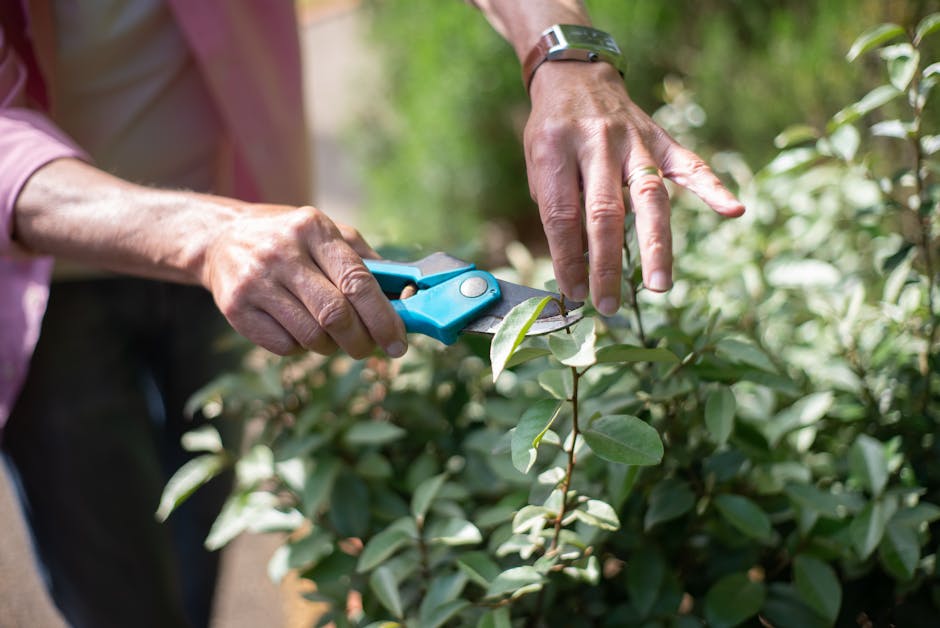
| Bypass secateurs | Pruning soft stems and deadheading | Cleaner cuts and less plant damage |
| Watering can or hose with controlled nozzle | Targeted watering | Helps avoid waste and overwatering |
| Mulch or compost | Soil improvement and weed suppression | Supports healthier growth and moisture retention |
| Gloves and sturdy footwear | General upkeep | Protects hands and feet during routine work |
| Simple notebook or log sheet | Task tracking | Supports handovers and accountability |
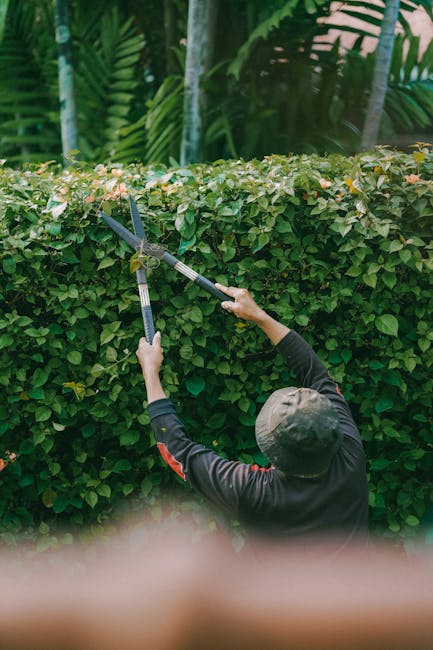
For bigger site improvements, it can help to think in service layers. A garden may need more than one kind of support: general upkeep, hedging, lawn care, or even occasional landscaping input. Depending on what is happening in the space, pages like garden maintenance, lawn care, and hedge trimming can be useful reference points for planning priorities.
If the garden includes paths, sitting areas, or hard surfaces that get slippery, it may also be worth thinking about patio cleaning and basic surface care. A clean, safe base makes the planting look even better.
Law, Compliance, Standards, or Best Practice
For a community garden, the main compliance concerns are usually practical rather than complicated: health and safety, safe tool use, accessible routes, clear responsibilities, and sensible record keeping. Exact duties can vary depending on how the garden is organised and who is responsible for it, so it is wise to approach any public or shared site with care and common sense rather than assumptions.
Best practice normally includes:
- keeping walkways reasonably clear and easy to use;
- checking for trip hazards, sharp edges, or unstable structures;
- storing tools safely and keeping them out of public reach when not in use;
- using protective equipment where needed;
- making sure volunteers know what they are doing before they start a task;
- recording incidents, damage, or recurring maintenance concerns;
- respecting accessibility needs where possible, especially around paths and entry points.
If the space is used by the public, it is also sensible to think about insurance, permissions, and any site-specific procedures before large-scale work begins. That is where careful planning saves headaches. Nobody enjoys discovering a problem after the job is finished and the tea has gone cold.
For a more formal look at site procedures and responsibilities, you can review health and safety guidance, insurance and safety information, and the broader approach in terms and conditions. If a project needs costs discussed in advance, pricing and quotes may also be relevant.
Options, Methods, and Comparison Table
Not every community garden should be maintained in exactly the same way. The right method depends on time, plant choice, volunteer numbers, and the amount of public use. Here is a simple comparison to help with planning.
| Maintenance approach | Best for | Pros | Trade-offs |
|---|---|---|---|
| Weekly light-touch upkeep | Busy shared gardens with regular volunteers | Keeps problems small and the space looking presentable | Needs consistency; can slip if volunteers miss weeks |
| Monthly deep tidy | Smaller gardens or low-growth seasons | Efficient for bigger resets and seasonal work | Weeds and watering issues can build up between visits |
| Task-based rota | Mixed volunteer groups | Clear roles; easier handovers; less duplication | Needs someone to coordinate the rota |
| Professional support plus volunteer care | Gardens with heavier jobs or safety concerns | Best for tricky maintenance, pruning, or larger improvements | Can involve additional cost and scheduling |
For many community spaces, the task-based rota is the sweet spot. Volunteers handle simple, recurring jobs and professionals step in for heavier lifting or specialist work. That mix keeps the garden realistic to manage, which is what matters in the long run.
If your space is expanding or needs a broader refresh, you may also find the pages on gardening services, landscaping, and tree surgery helpful when thinking about larger works.
Case Study or Real-World Example
Imagine a small community garden beside a library entrance. It starts out well: a few raised beds, a bench, some herbs, a couple of ornamental shrubs, and a patch of ground cover near the border. In spring, everyone is enthusiastic. By midsummer, though, the weeds are racing ahead, the herbs are becoming leggy, and one corner has turned dry and patchy because nobody noticed it gets extra wind.
Instead of trying to "fix everything" in one weekend, the volunteers split the work into three repeatable tasks. One person checks watering and soil moisture. Another handles weeding and deadheading. A third reviews the edges, paths, and supports. They also keep one small notebook in a weatherproof box, so if the rosemary needs cutting back or the path gets slippery after rain, the next visitor can see it instantly.
Within a few weeks, the space feels different. Not wildly transformed, just steadier. The plants recover. The bench area looks cared for. Visitors pause a little longer. One child points at the pollinators. A regular library user says the garden makes the building feel more welcoming. That sort of feedback is hard to measure, but you notice it. You really do.
If the goal is to keep a community garden lively without overcomplicating it, that approach is often the answer: small tasks, clear ownership, and routine attention. Nothing glamorous. Just enough care, often enough.
Practical Checklist
Use this checklist for a typical maintenance visit. You can adapt it for the season, of course, but this gives you a strong starting point.
- Walk the garden and note any hazards or damage
- Remove litter and clear debris from paths
- Check soil moisture in beds and containers
- Water plants that need it, especially newly planted specimens
- Weed borders, edges, and around growing points
- Deadhead faded flowers and remove damaged leaves
- Lightly prune where appropriate
- Top up compost or mulch if needed
- Inspect supports, ties, fencing, and edging
- Check for pest or disease symptoms
- Make sure tools are cleaned and stored safely
- Record any follow-up jobs for the next visit
Quick reminder: if you only have twenty minutes, focus on safety, weeds, and watering. Those three jobs alone can keep the space looking cared for until the next session.
Conclusion
A shared garden thrives on consistency more than heroics. The best Norbury Library community garden maintenance guide for gardeners is not the one packed with grand promises; it is the one that helps real people keep a real place healthy, calm, and useful week after week. If you build a simple routine, choose resilient planting, and share responsibility clearly, the space will repay you with colour, structure, and a little pocket of peace in the middle of daily life.
And that is the nice part, really. A community garden does not have to be perfect to be valuable. It just needs steady hands, sensible planning, and the kind of care that makes people feel welcome when they step close to it.
Get a free quote today and see how much you can save.
Frequently Asked Questions
What is the best way to maintain a community garden in Norbury?
The best approach is regular, small maintenance sessions rather than occasional big clean-ups. Focus on weeding, watering, deadheading, pruning, and safety checks, then log anything that needs follow-up.
How often should a shared garden be checked?
For an active public-facing space, a quick weekly check is ideal, with deeper maintenance as needed. In wetter or faster-growing periods, you may need to look in more often.
Who should be responsible for the garden tasks?
A small rota usually works best. One person does not need to do everything. Share tasks across volunteers, and keep a simple note of what was done and what still needs attention.
What are the most important maintenance jobs?
The most important jobs are watering, weed control, checking for hazards, and keeping paths clear. If those are under control, the garden usually stays manageable.
How do you stop weeds from taking over a community garden?
Remove weeds early, before they flower and seed. Mulching, consistent edging, and short, regular weeding sessions make a huge difference over time.
What plants are easiest to maintain in a shared garden?
Resilient perennials, hardy herbs, shrubs, and ground covers are often the easiest to manage. They tend to handle variable care better than delicate or thirsty plants.
Do community gardens need professional help?
Not always. Many tasks can be handled by volunteers, but larger pruning jobs, safety issues, structural repairs, or landscape changes may benefit from professional support.
How can you make maintenance easier for volunteers?
Keep the layout simple, group plants by water and light needs, store tools clearly, and use a rota. The easier the system is to follow, the more likely people are to stick with it.
What should be done before winter?
Before winter, clear dead growth, protect tender plants, check drainage, secure supports, and mulch vulnerable beds. A little preparation saves a lot of spring trouble.
How do you keep a garden looking good with limited time?
Focus on the visible basics: weeds, watering, edges, and litter. If those are under control, the space will usually look cared for even when time is tight.
Are there any safety issues to think about in a public garden?
Yes. Watch for trip hazards, sharp tools, slippery surfaces, unstable supports, and blocked paths. Safety should come before decorative work, especially in a public setting.
Where can I get more help with garden maintenance planning?
You can explore practical service information and related guidance through about us or reach out via the site's contact route if you need tailored support for a specific garden project.